
As designers and architects, we have a responsibility not just to create beautiful spaces, but to shape environments that care for people and the planet.
Sustainable building goes beyond a trend: it’s a long-term commitment to low impact, high performance, and thoughtful design. While this path isn’t simple, it’s filled with inspiring milestones. Here are a few of our favorite exemplary sustainable projects from around the world.
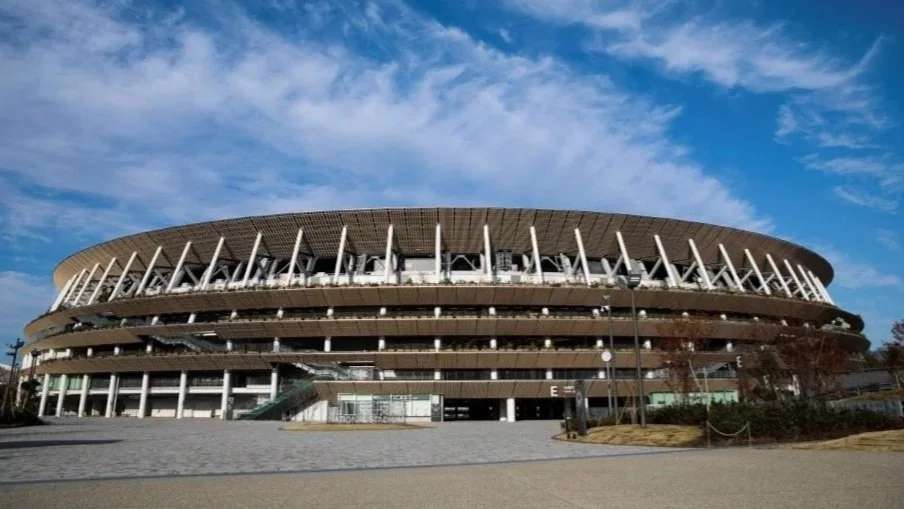
Japan National Stadium
Rethinking climate & material use
Photo credits: CNN, 2020
Designed by Kengo Kuma & Associates for the 2020 Tokyo Olympics, the Japan National Stadium embraces sustainability through careful material choice and climate-responsive design. Rather than defaulting to steel and concrete, the stadium’s exterior eaves and structural elements use certified Japanese timber sourced from all 47 prefectures, reducing embodied carbon and honoring traditional architecture. The stadium’s layered eaves and open design guide prevailing winds through the building, promoting natural ventilation and reducing dependence on mechanical cooling. Rainwater is harvested from the roof and pavements for irrigation, contributing to a more responsible water cycle.
Design Architect: Kengo Kuma & Associates
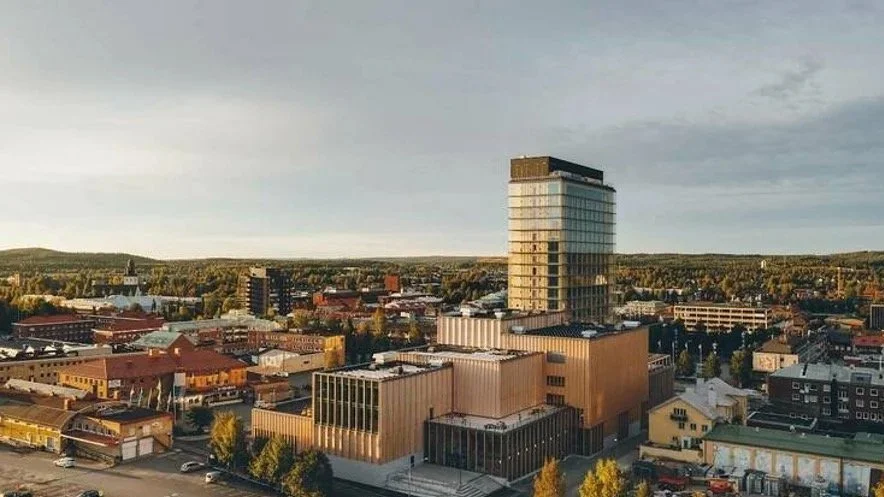
Sara Cultural Centre
Timber High-Rise as a Carbon-Negative Vision
Photo credits: Jonas Westling
In Skellefteå, Sweden, the Sara Cultural Centre stands as a bold testament to timber’s potential in sustainable urban architecture. At roughly 75 m and 20 storeys tall, this mixed-use cultural hub — housing theatres, galleries, library spaces, and a hotel — was conceived as one of the tallest timber buildings in the world. Its prefabricated 3D timber modules and hybrid structural systems utilise locally sourced timber, sequestering more carbon than the building emits over its life. Its double-skin glass facade and green roof support insulation and energy performance, while flexible, open spaces promote long-term use and adaptability. The project is part of a broader vision for Skellefteå to become a renewable energy-powered city.
Design Architect: White Arkitekter
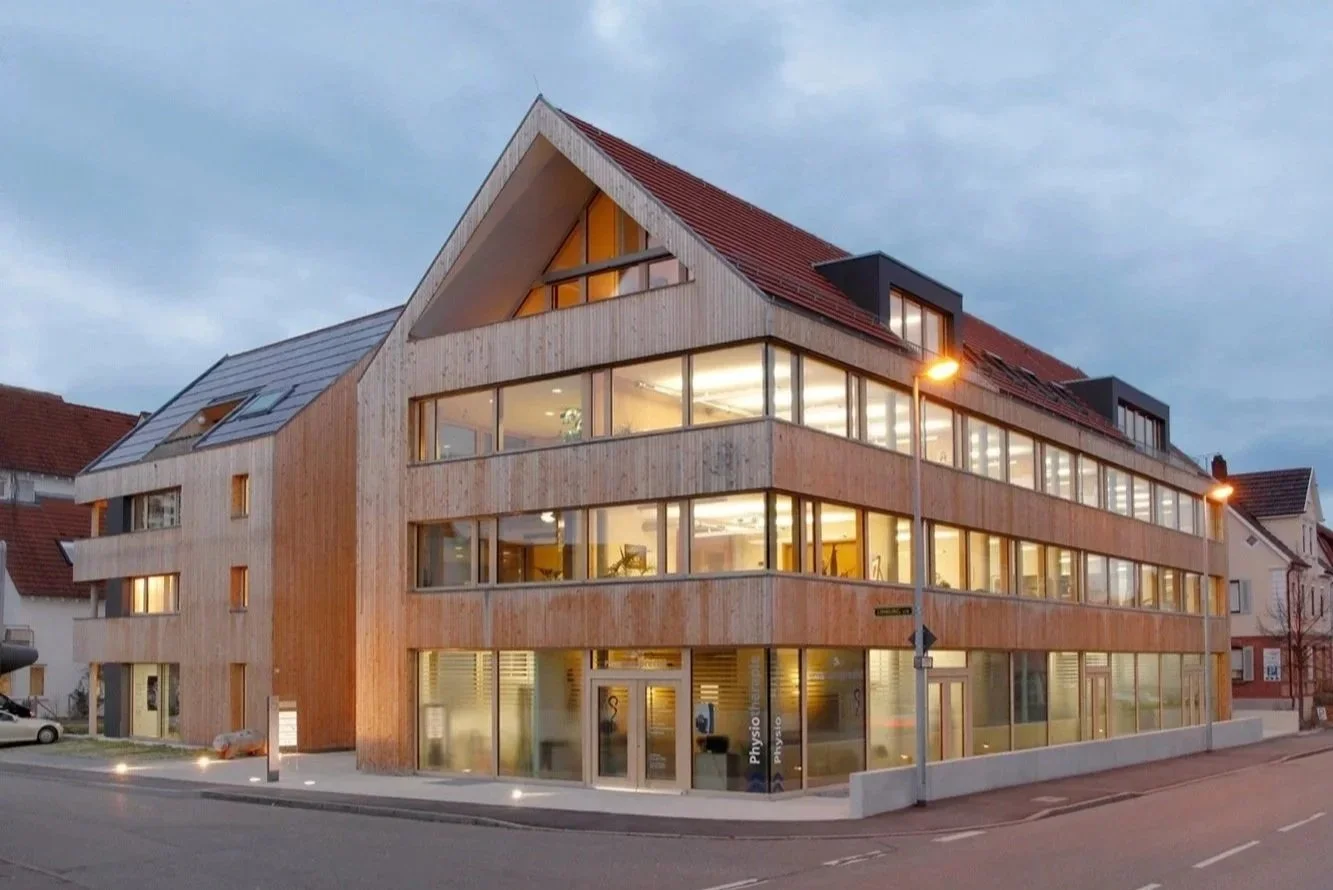
Eisbärhaus
A Record-Breaking Passive House
Photo credits: BANKWITZ
In Kirchheim unter Teck, Germany, the Polar Bear House (Eisbärhaus) has been widely recognised as one of the most sustainable buildings in the world. This office and residential ensemble — designed by BANKWITZ beraten planen bauen — achieved an unprecedented overall score in the German Sustainable Building Council (DGNB) certification process, making it a climate-positive building that exceeds the highest sustainability benchmarks ever recorded. It operates as a passive house without a dedicated heating system, instead relying on geothermal boreholes, photovoltaic energy, energy recovery systems, and highly efficient ventilation to manage its internal climate. The hybrid timber and concrete structure makes use of recycled and recyclable materials, and every system is integrated for minimal waste and maximal performance.
Design Architect: BANKWITZ
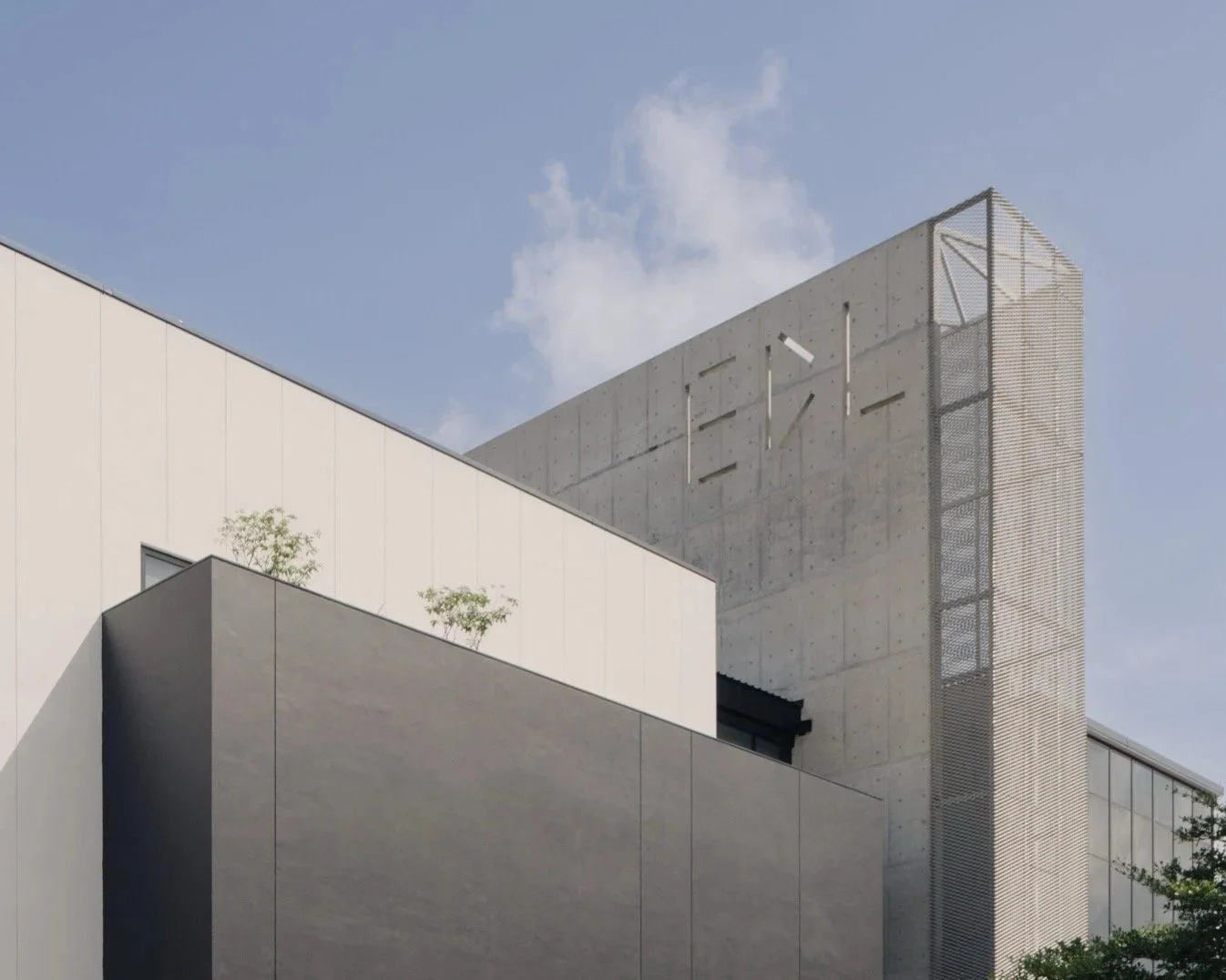
EDL Regional Headquarters
Sustainability Through Purposeful Design
Photo credits: The Afternaut Group
The EDL Regional Headquarters in Singapore exemplifies sustainable architecture not through flashy technology alone, but through thoughtful material reuse, human-centric design, and a commitment to demonstrating sustainable practice at every scale. Designed in collaboration with Formwerkz Architects, the headquarters brings together gallery, workshop, and office space for EDL’s diverse business units in one coherent whole.
What sets the building apart is its deliberate incorporation of upcycled production offcuts into the architecture itself. Production by-products from EDL’s own facilities such as laminate remnants are creatively repurposed into feature walls, custom furniture, and commissioned art installations at the entrance lobby, showcasing how what is often considered waste can become meaningful design elements. This practice not only reduces material waste but also celebrates sustainable resource use as a visible part of the building’s narrative.
Beyond material reuse, the design fosters social sustainability through a network of interconnected spaces. A central courtyard and open garden terraces create visual and physical links between work zones, supporting natural ventilation and offering breakout spaces where employees and visitors can gather, collaborate, and enjoy greenery in Singapore’s tropical climate. These in-between spaces are designed to enhance wellbeing, encourage human connection, and invite users to linger — important aspects of sustainability that extend beyond energy performance to the quality of everyday experiences.
The EDL Regional Headquarters stands as a reminder that sustainability isn’t just about efficiency metrics; it’s about how spaces are conceived, how resources are treated, and how environments can nurture both people and the broader ecosystem. It’s a project that communicates sustainability through both material ingenuity and human-focused design.
Design Architect: The Afternaut Group
These projects demonstrate that sustainable architecture can be visionary, functional, and beautiful. From climate-adaptive urban stadiums to timber-forward cultural landmarks, to passive buildings that redefine energy performance — they remind us that responsible design starts with curiosity and ends with impact.
As architects, the more we champion these principles, the more the built environment can become a force for ecological good.