
Designing for the Life To Unfold
Studio iF’s approach to designing homes last through generations
A Home Is Never Static
The fascinating thing that not many people realize about homes is that they never really stay the same.
A newlywed couple’s freshly renovated home slowly transforms into a place filled with cots and toys as their children join the family. As these children grow up, cots give way to children’s beds and toys are replaced with textbooks and various hobby items. As the family continues to grow, daily routines shift.
A family home is a place that has to grow and morph to suit the needs of its inhabitants throughout all these seasons of life.
As architects and designers, we often remind ourselves that while projects may appear complete upon handover, homes never truly are. They continue to evolve long after the construction work is finished.
That is why, at Studio iF, we believe our responsibility extends beyond designing beautiful spaces. We are designing for the lives that will unfold within them.
Our Approach to Design and Architecture
Whenever we begin a new project, we spend a great deal of time understanding the people who will eventually call that place home. We are interested in much more than aesthetic preferences or favorite colors; we want to understand how they spend time together, what brings them joy, how they host their friends, how they celebrate milestones, and even how they move through an ordinary weekday.
More importantly, we try to imagine how those habits might change five, ten or even twenty years from now.
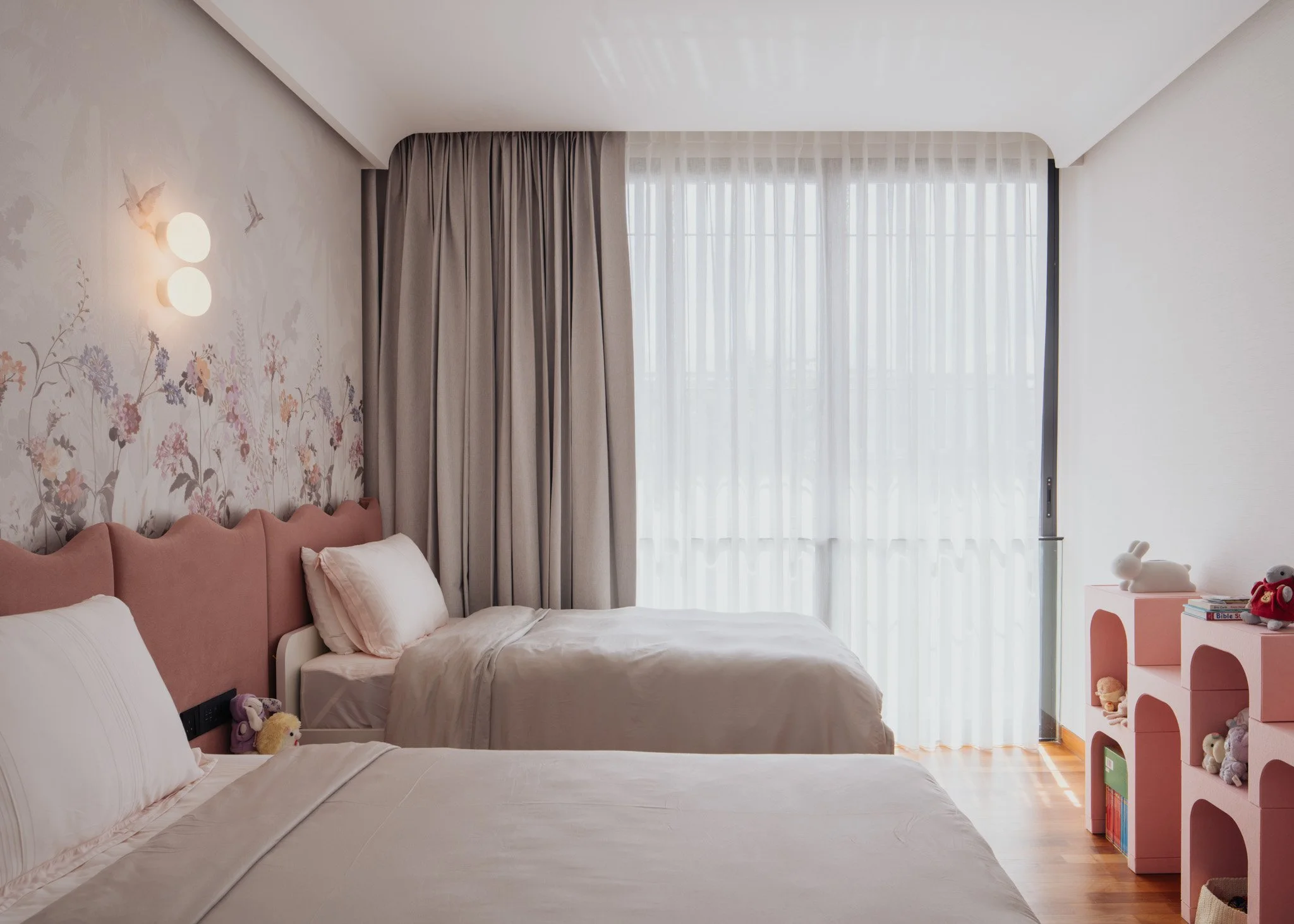
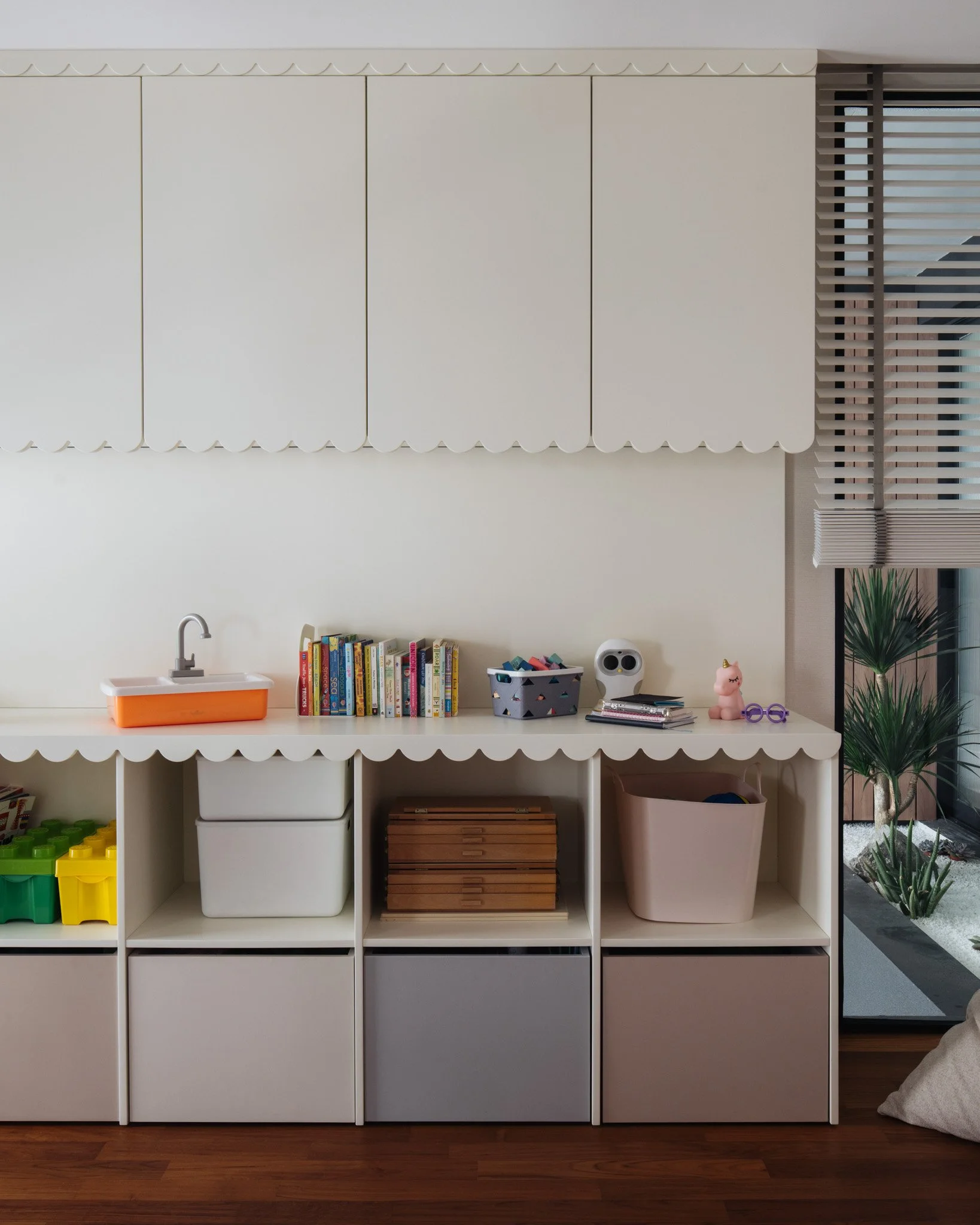
A young couple with a newborn will not live the same way when that child becomes a teenager, family dynamics will again shift when the children leave home to start their own lives and change once more when aging parents begin living under the same roof.
Every stage brings new routines, new priorities and new ways of relating to one another. If a home is only designed for the present, it risks becoming obsolete surprisingly quickly.
We believe that good homes should be able to grow alongside the people who inhabit them, adapting quietly as life changes without constantly demanding major reinvention.
This way of thinking influences almost every decision we make.
Bringing Families Closer by Design
One of the recurring ideas throughout many of our projects is the notion of connection. We constantly ask ourselves, “How can architecture encourage families to spend more time together, not by forcing interaction, but by creating opportunities for it to happen naturally?”.
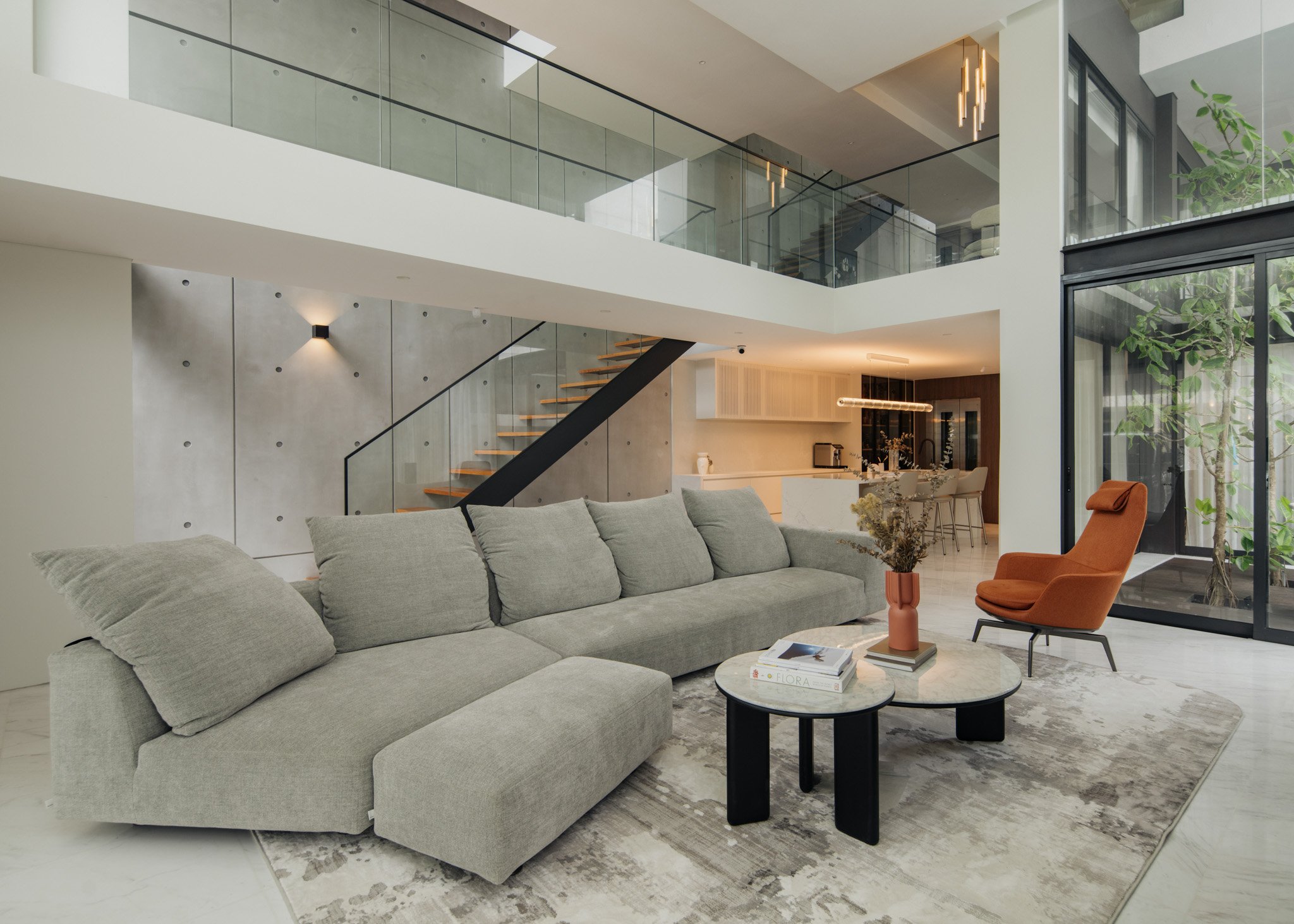
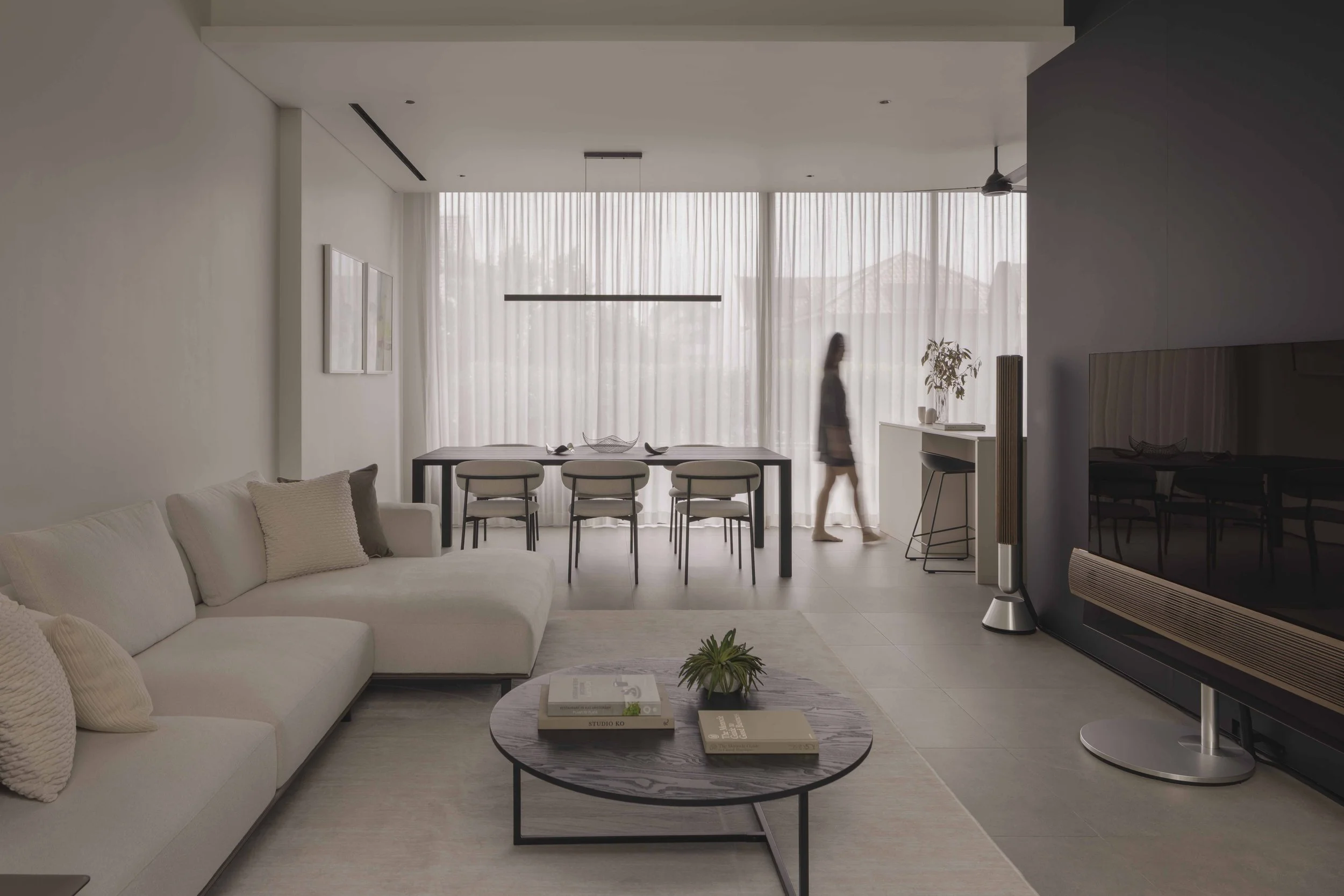
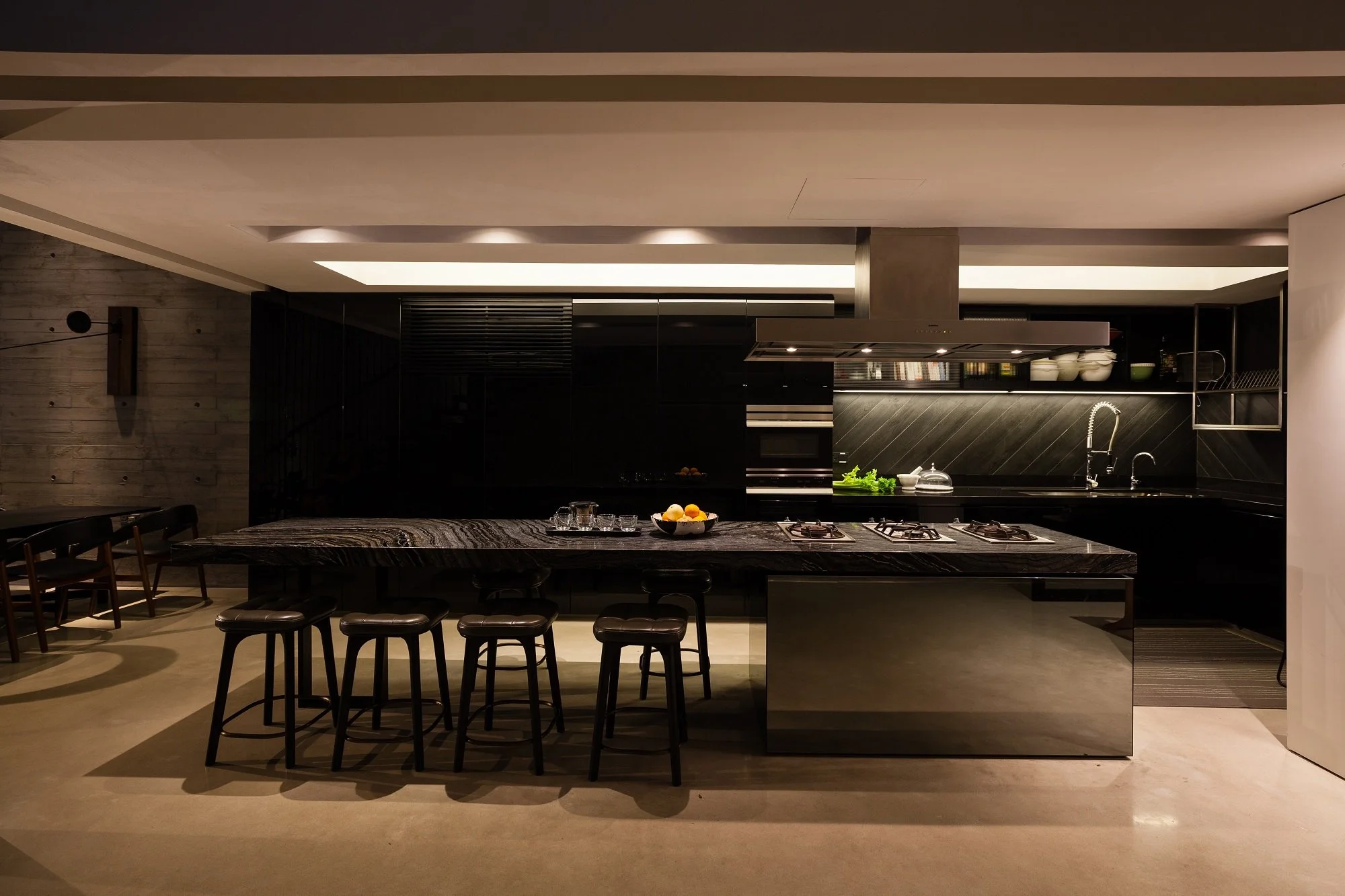
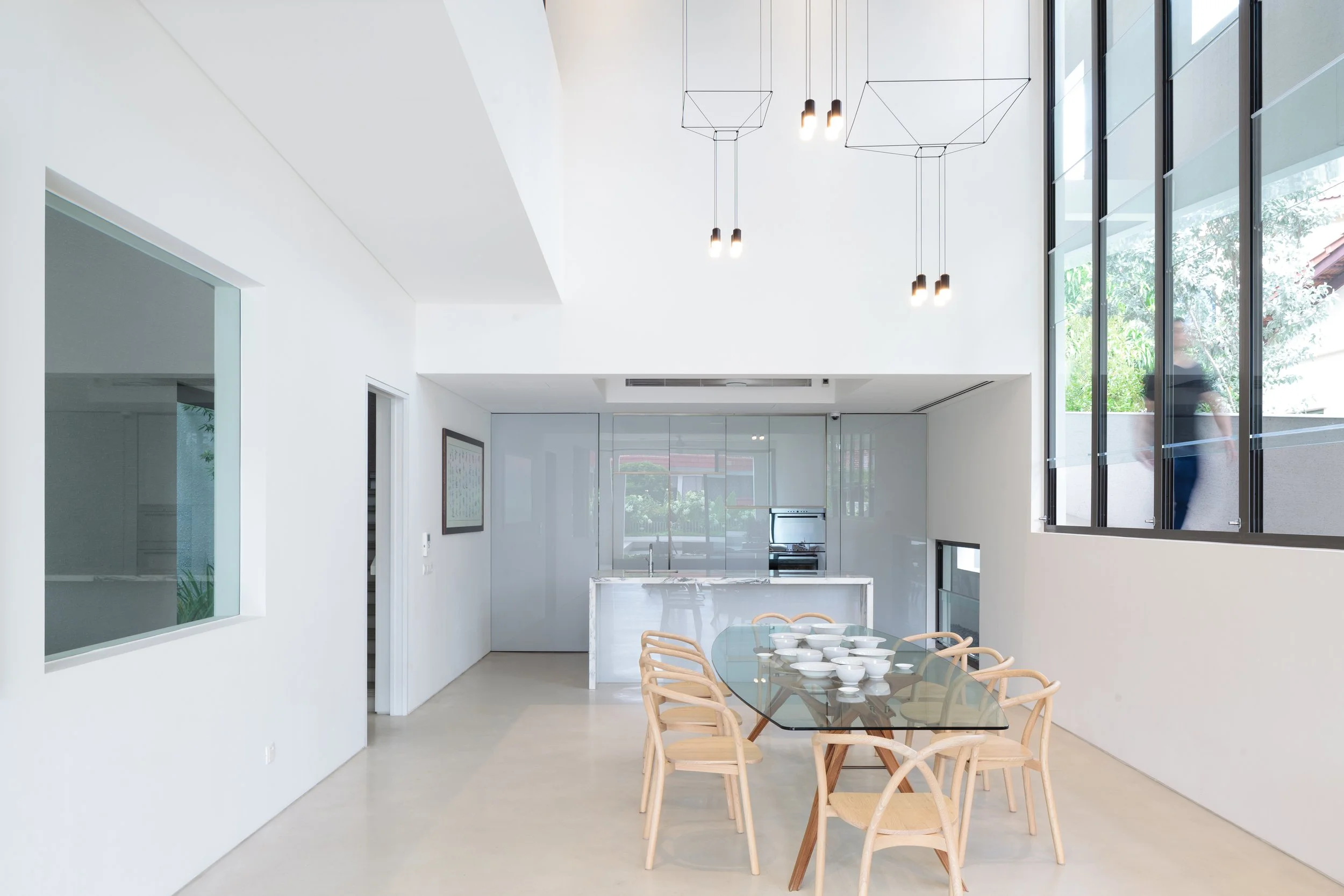
Sometimes, the answer can be as simple as allowing for greater line of sight between spaces.
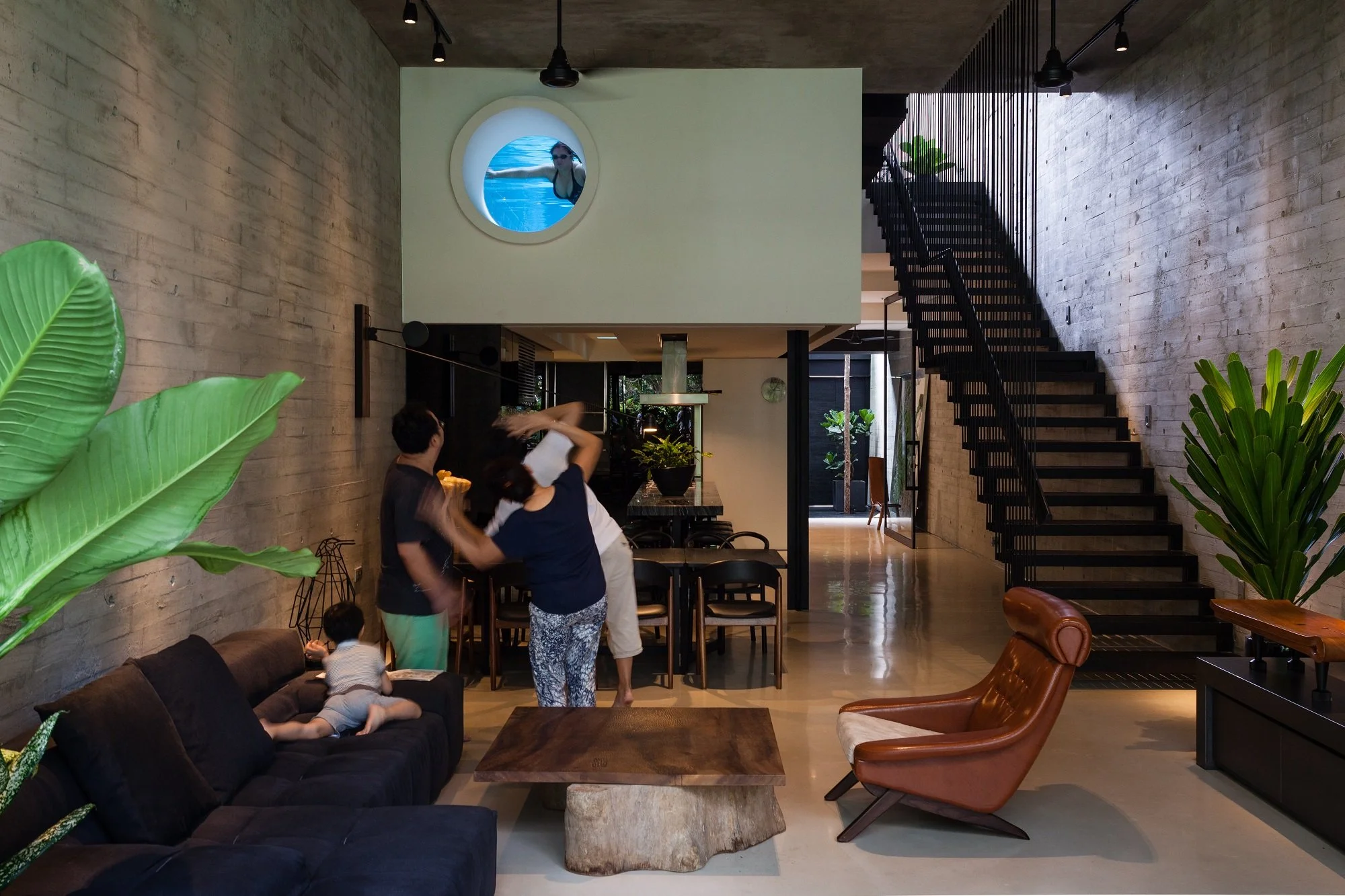
This could translate as a kitchen that opens into the living room so parents can prepare dinner while watching their children play, or it could be an upper floor that overlooks the communal spaces below, allowing conversations to travel effortlessly throughout the house.
The simple act of being able to see or hear other members of the family going about their own day may seem small and unremarkable, but it can be surprisingly powerful in creating a sense of connection. We believe they shape the emotional experience of living in a home.
When thoughtfully designed, a home can quietly nurture connection and allow relationships to flourish without effort.
This same philosophy extends to our approach for multi-generational homes.
Supporting Families Through Every Chapter
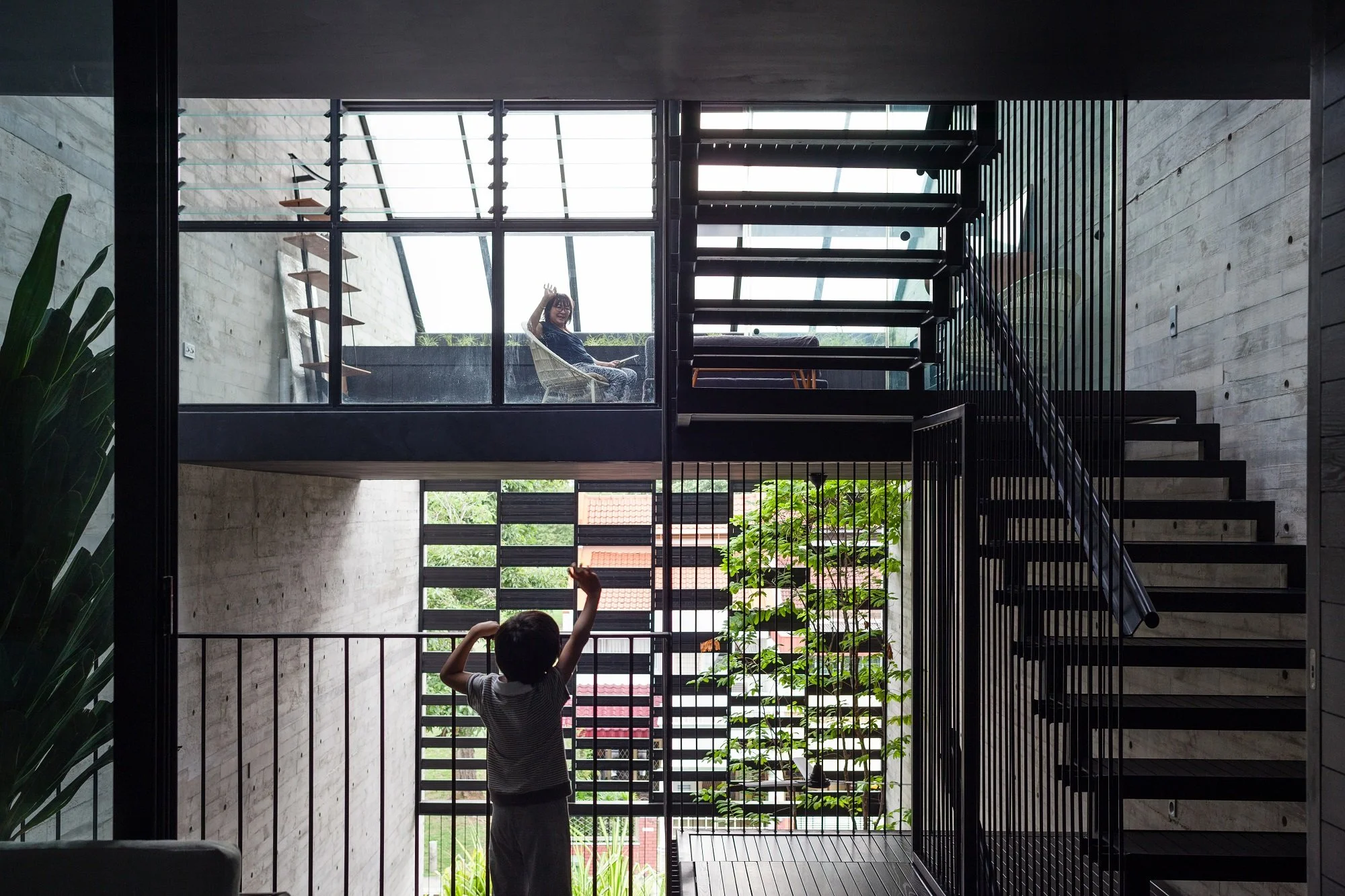
Many of our clients live in multi-generational households or anticipate that their homes may one day need to accommodate elderly parents. Others are raising young children who require very different kinds of spaces as they grow. Rather than viewing these as separate design challenges, we see them as part of the same conversation: How can a home continue to care for its people throughout different stages of life?
Sometimes this means thinking carefully about safety and accessibility. More often, it means considering dignity, independence and emotional reassurance.
Can grandparents remain visually connected to family life even when they spend more time resting?
Can children explore the home safely while parents always feel close by?
Can everyone enjoy their own privacy without ever feeling isolated?
These questions rarely have obvious answers, but they are what shapes our thinking and drives us to consider beyond the selection of a particular material or furniture piece.
This is also why we have never been particularly interested in designing around trends.
The Problem With Designing Around Trends
The pace at which trends emerge today is extraordinary.
What is celebrated online this year may already feel dated two years later. If we design solely around what is fashionable, we risk creating homes that age far quicker than the families living within them.
At Studio iF, we prefer to design around people.
The needs of people will never become obsolete. A person’s stories; habits, collections and aspirations have a permanence that trends simply do not.
A well-travelled couple may wish to surround themselves with objects collected across decades of journeys. A family may want to preserve a dining table that has witnessed generations of celebrations. Someone else may simply want a quiet corner where they can enjoy a morning cup of coffee while looking out at the garden.
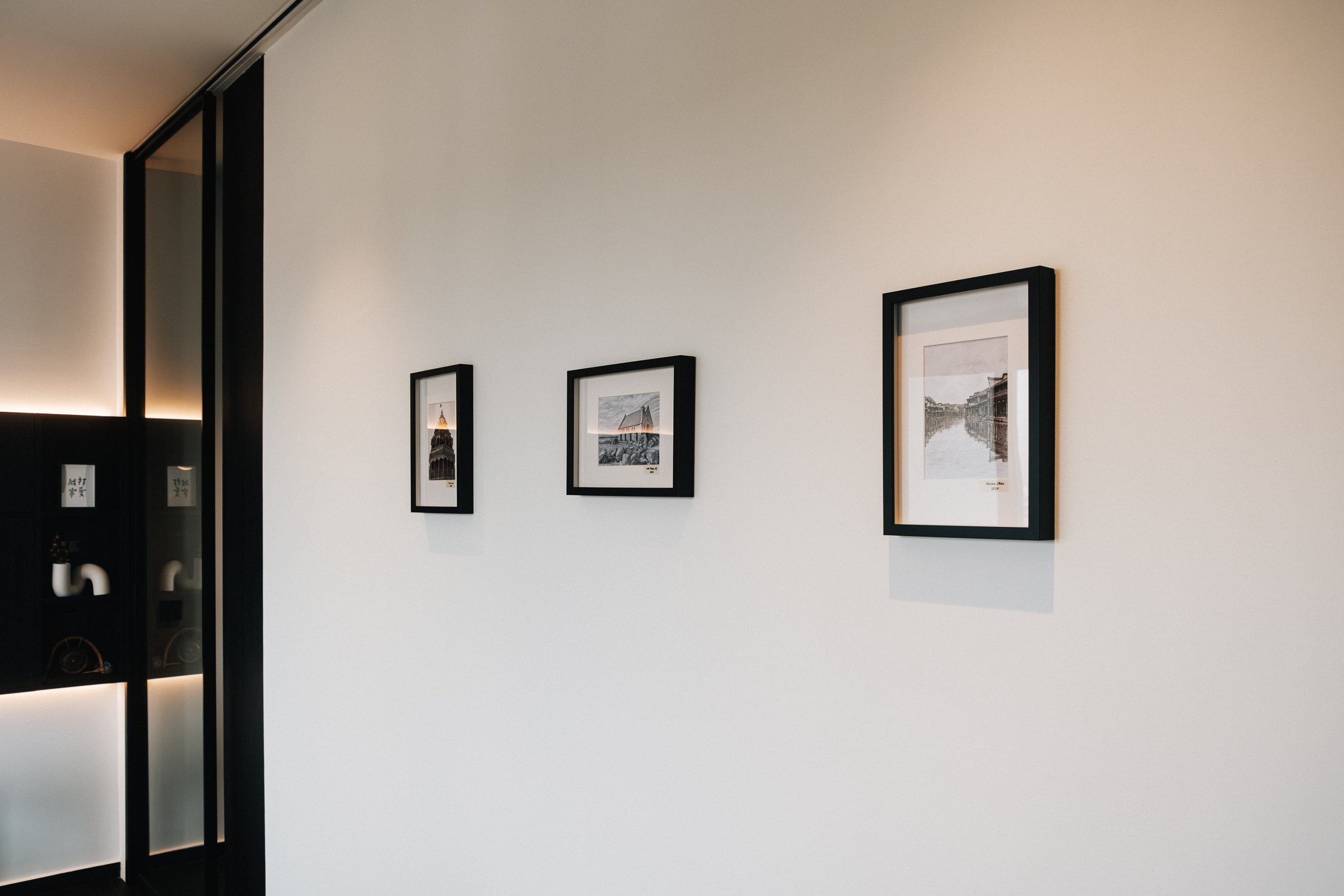
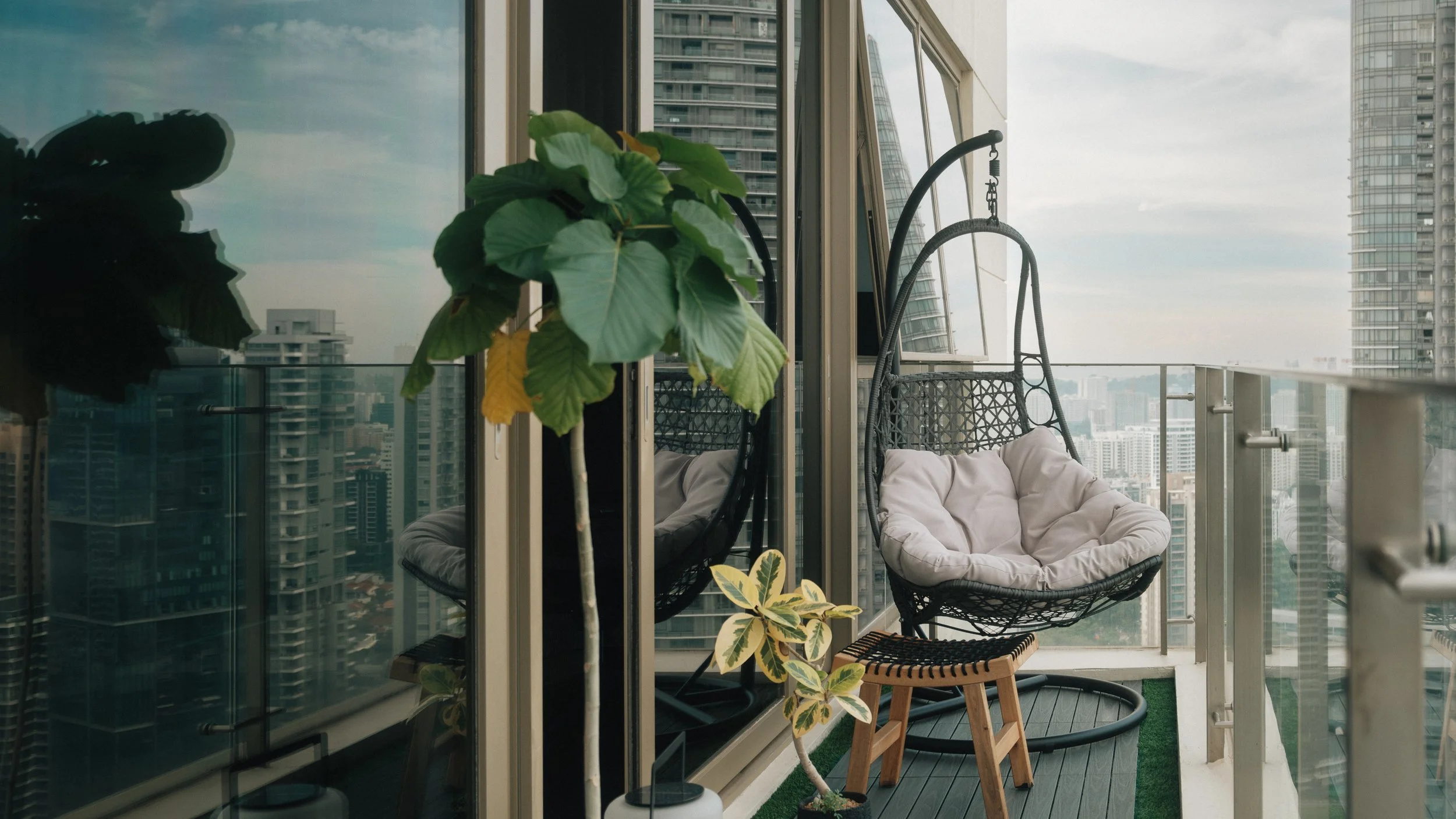
These are the things that give a home character and will endure the test of time.
Homes That Feel Like Home
We often say we design for emotions rather than aesthetics.
While we pride ourselves on our ability to craft highly considered spatial plans and thoughtfully orchestrate elements such as light, ventilation, and circulation, we understand that these decisions are always made in service of something much larger.
(photo of Light House, dining table & back garden)
What we want are dining rooms that invite people to linger long after the meal is over, and gardens that become extensions of everyday life rather than simply pleasant views from inside.
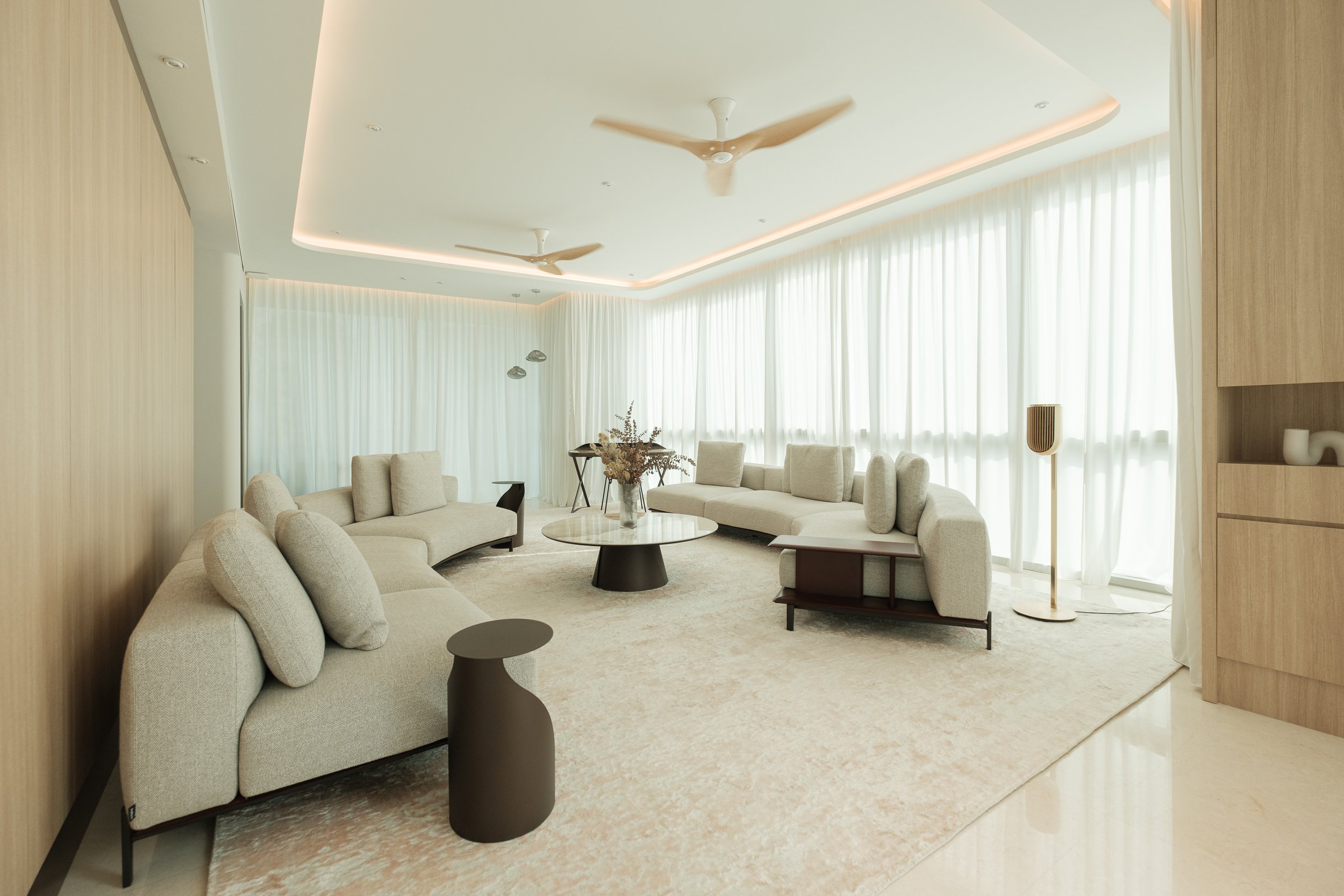
We pride ourselves on crafting living rooms where children instinctively gather in to spend time with their families.
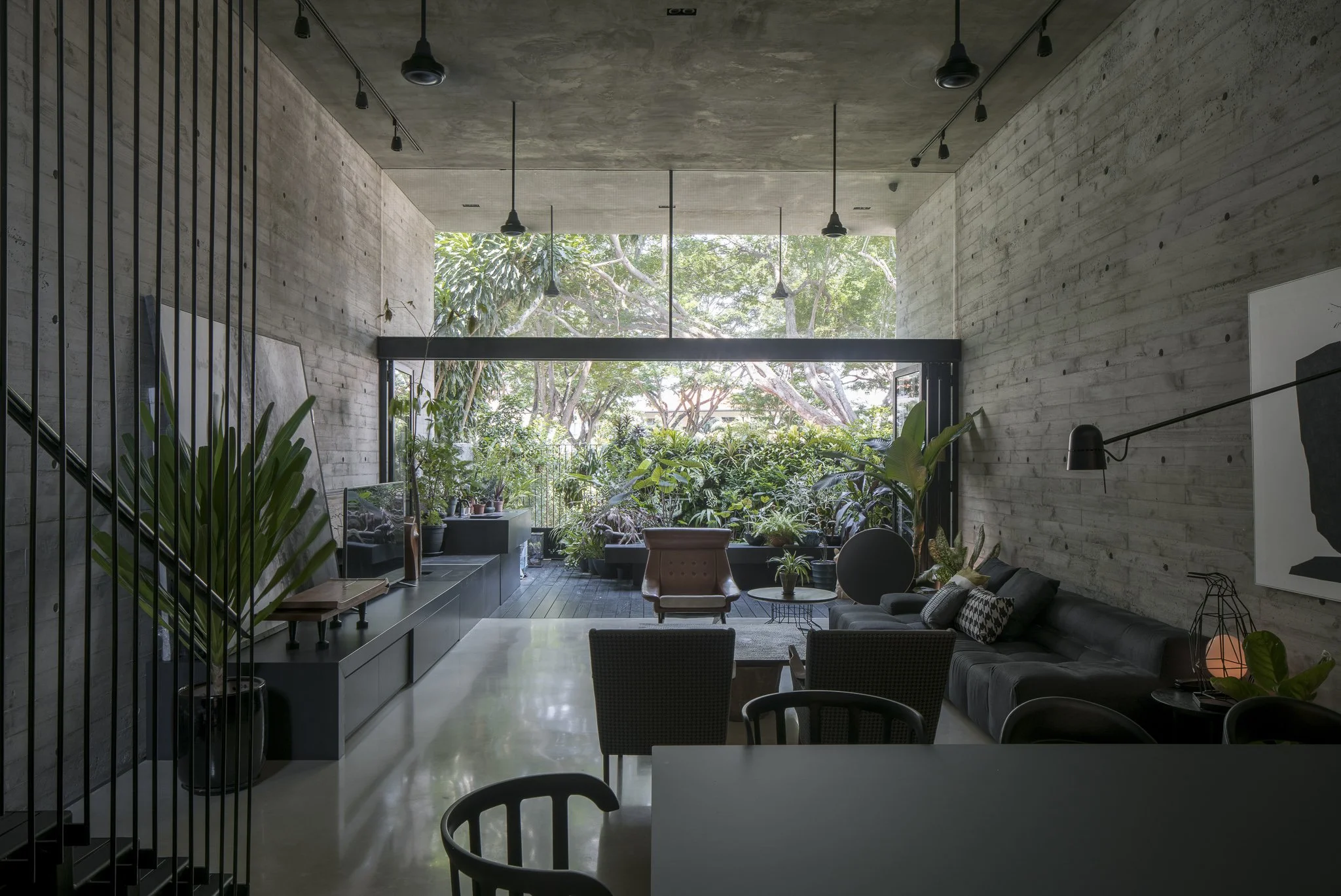
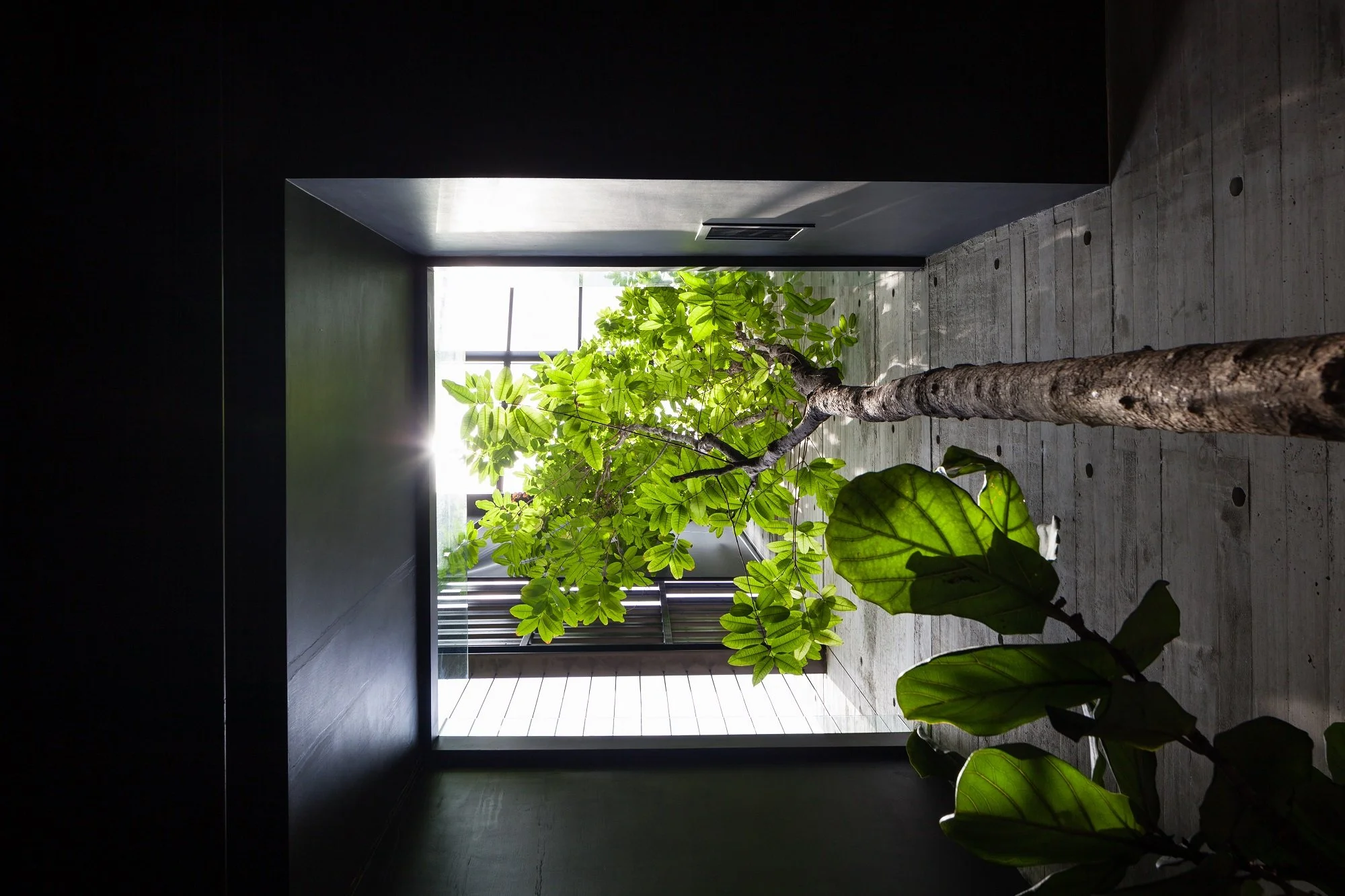
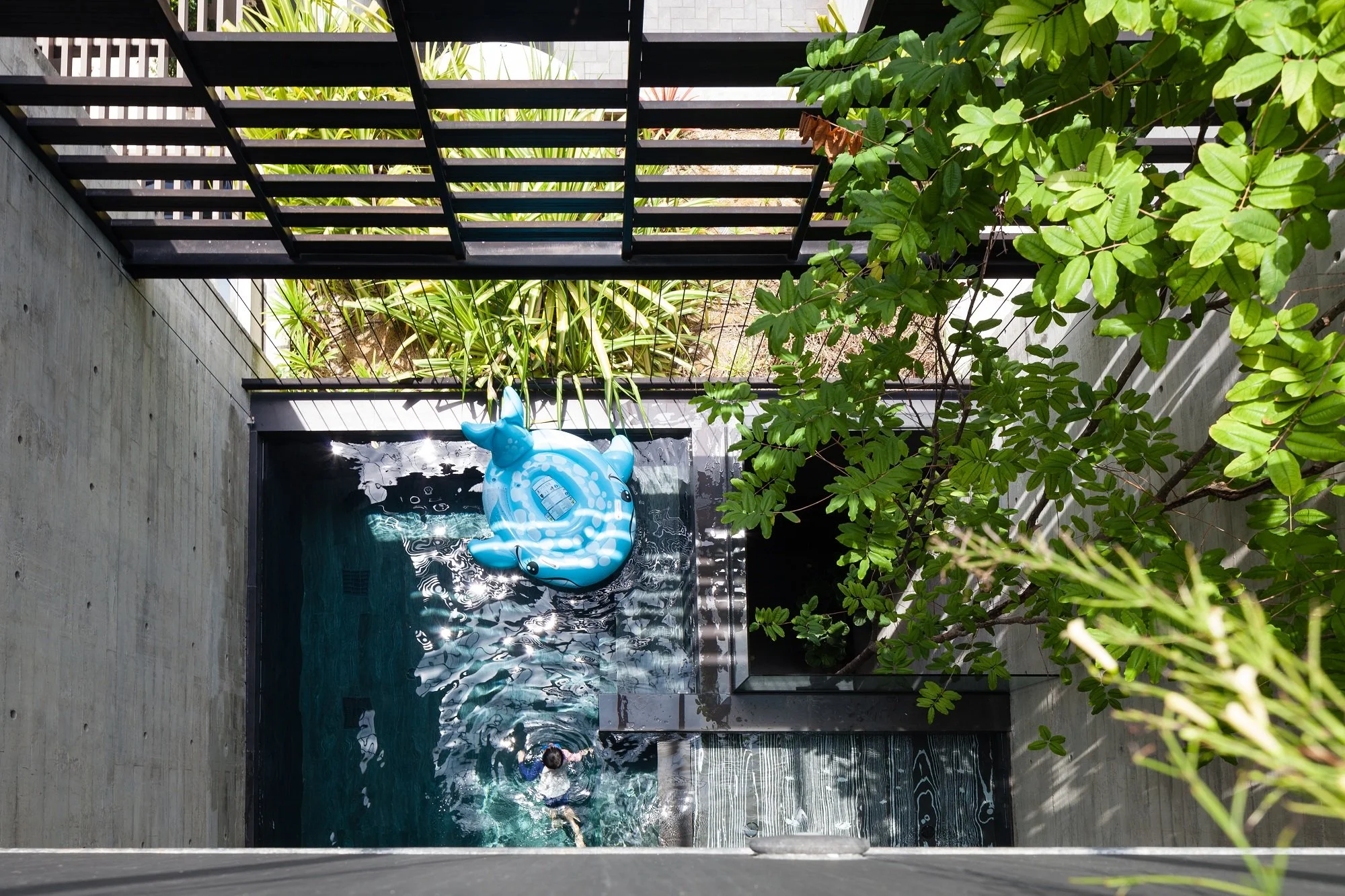
We pride ourselves on designing homes that are more than just a place to return to at the end of the day. They are spaces that reflect the people who live within them and what they cherish most.
Designing Possibilities
Every project we work on begins with the same question: What kind of life are we helping this family build?
The answer is never exactly the same — and that is what makes this work so meaningful.
Every family carries different aspirations and habits. Every home becomes a deeply personal collaboration, shaped not only by our ideas as designers, but by the stories, hopes and possibilities that our clients entrust us with.
At the end of the day, the most successful homes are not remembered for the high-quality of its cupboards or that one expensive designer sofa in the living room.
They are remembered for the lives that unfolded within them.
Every Home Begins with a Conversation
If you’re ready to create a home that not only reflects who you are today but continues to grow with you and your family through the years, we’d love to begin that journey with you.
Drop us an email at hello@studioif.net and let’s design a home that is uniquely yours.